Precision Work: Finish carpentry requires high attention to detail, as imperfections are often visible and can impact the overall look.
Material Selection: High-quality woods, paints, and finishes are key to achieving a polished, durable look and feel.
Tool Specialization: Specialized tools for detailed work, such as precision saws, sanders, and nail guns.
Customization Potential: Finish carpentry allows for a high degree of personalization to match a home’s style, whether traditional, modern, or unique.
Trim and Molding Installation:
Install baseboards and crown molding
Add window and door casings for a polished look
Create custom trim work for doors, windows, and ceilings
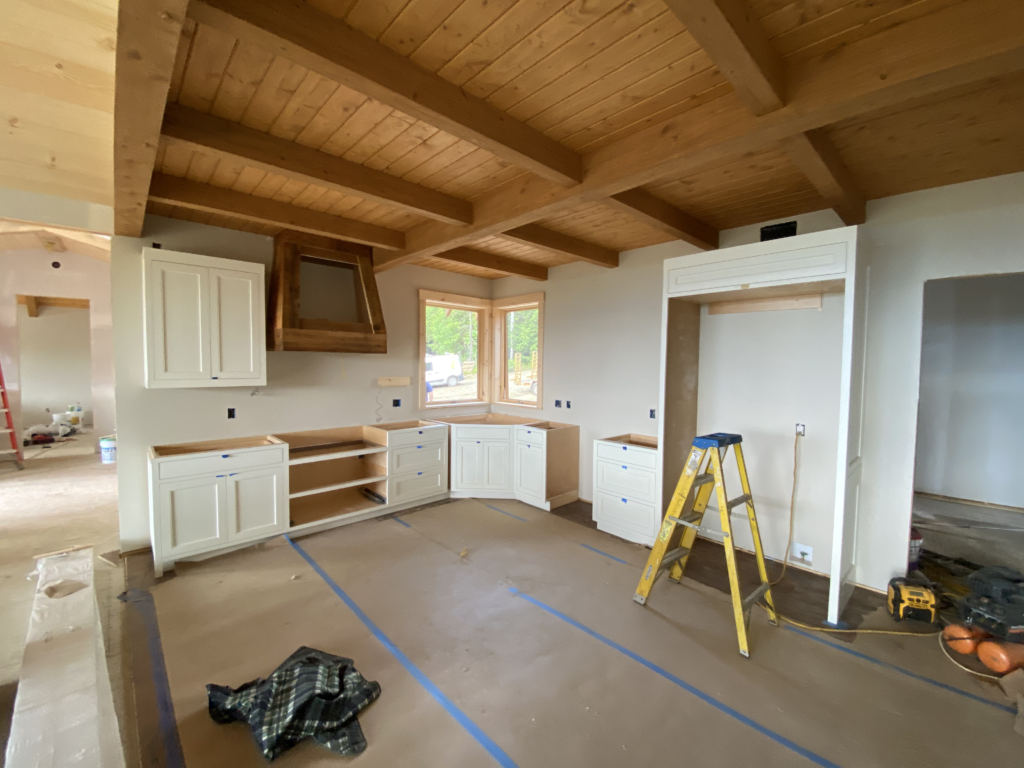
Cabinetry and Built-Ins:
Install custom cabinets for kitchens, bathrooms, and storage spaces
Create built-in bookshelves, entertainment centers, and closets
Design and craft storage solutions tailored to the space
Door and Window Fitting:
Install interior and exterior doors for a precise fit
Fit window sills and frames for a seamless finish
Add decorative or functional hardware, such as locks and handles
Staircase Detailing:
Install and finish handrails, balusters, and newel posts
Add stair treads, risers, and decorative accents
Customize stairs to enhance safety and style
Interesting Details:
High Impact on Aesthetics: Finish carpentry is often one of the most noticeable aspects of a home’s interior, contributing to the overall style and feel of each room.
Value-Adding Craftsmanship: Quality finish carpentry adds value to a home by enhancing functionality, durability, and visual appeal, making it a strong investment.
Timeless Detailing: Finish carpentry often incorporates timeless designs, like crown molding and wainscoting, which can give a home character and a lasting appeal.
Environmental Considerations: Many finish carpenters now use sustainable materials or reclaimed wood to create environmentally friendly options for trims and cabinetry.